
CVS Eye Drops Recall
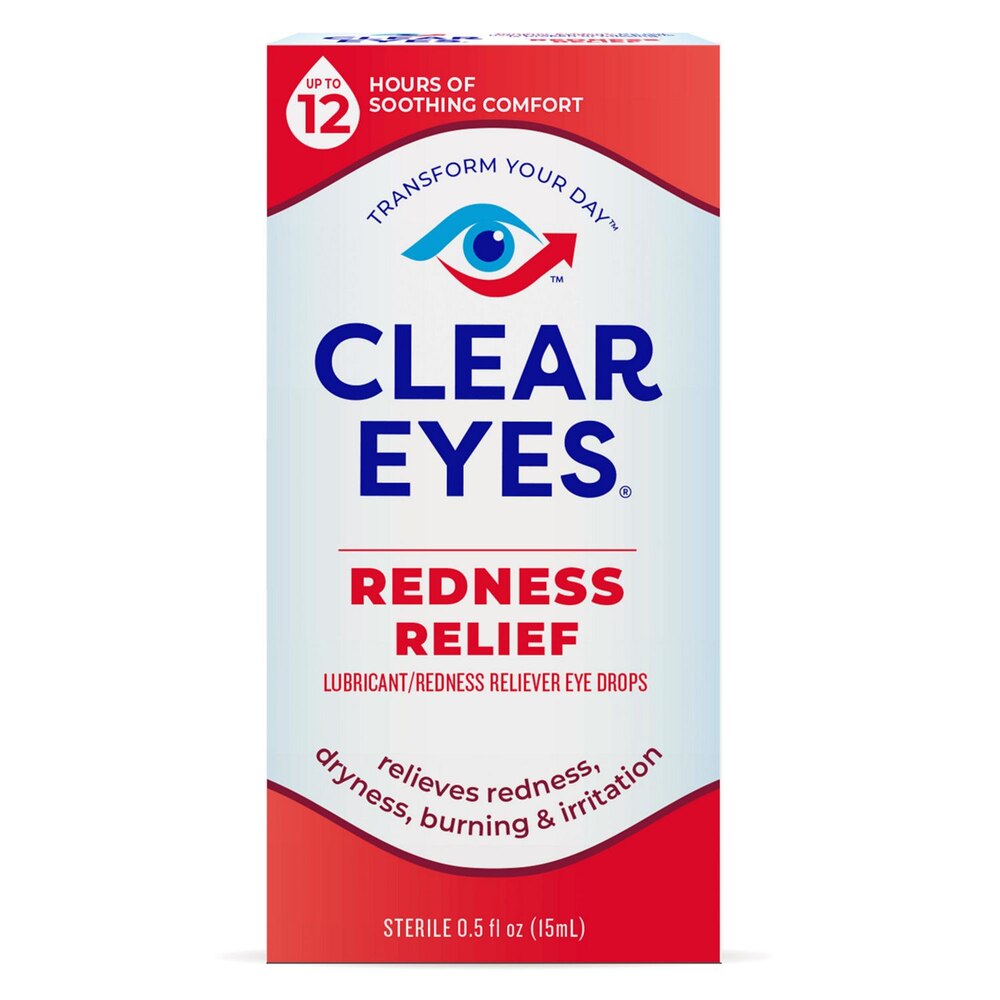
The CVS Eye Drops Recall is one consumers should take seriously, especially because eye products are intended to be sterile and are used directly in the eye. CVS has posted official recall notices for several affected products after the manufacturer, K.C. Pharmaceuticals, initiated a voluntary recall due to possible microbial contamination and sterility concerns. Multiple reports also state that the wider recall affects more than 3.1 million bottles sold under various brands at major retailers nationwide.
This matters because eye drops are not like many other over-the-counter products. When something is applied directly to the eye, there is less natural protection against contamination. If sterile eye drops are compromised, consumers can face irritation, infection, and potentially more serious eye problems. That is why recalls involving ophthalmic products tend to get immediate attention from retailers, health officials, and consumers.
Why the Eye Drops Were Recalled
The reason behind the CVS Eye Drops Recall is the manufacturer’s stated concern over potential microbial contamination and broader lack of assurance of sterility. CVS’s official recall notices for the affected products tell customers to stop using them immediately, while news coverage of the larger K.C. Pharmaceuticals action says FDA classified the recall as Class II, meaning use of the products may cause temporary or medically reversible adverse health consequences, while the chance of serious adverse health consequences is considered remote.
Even when contamination is only suspected or sterility cannot be guaranteed, that is enough to justify a recall for eye products. These products are supposed to be sterile by design. If that standard cannot be confirmed, consumers should not continue using them. That is especially true for anyone with sensitive eyes, recent eye surgery, contact lens irritation, or any eye condition that already makes the eye more vulnerable. This is exactly why the CVS Eye Drops Recall deserves quick attention.
Which CVS Eye Drops Are Affected
Based on the official CVS recall notices I found, the affected CVS-branded products include the following:
- CVS Lubricant Eye Drops Redness Reliever .5 oz
- CVS Lubricant Eye Drops Dry Eye .5 oz
- CVS Lubricant Eye Drops Redness Reliever 2 x .5 fl oz – 1 fl oz
- GeriCare Artificial Tears Lubricant Eye Drops sold by CVS as SKU 956904.
The CVS recall PDFs list specific product identifiers, including these CVS SKUs:
- 797076
- 895160
- 994881
- 956904 for the GeriCare product.
The listed lot codes in the official CVS notices include:
- AR24D01, AR24G02, AR24M01
- SU24E01, SU24E02, SU24E03
- LT24E01, LT24E02, LT24E03, LT24F01, LT24G01, LT24M01, LT24M02.
If you have eye drops at home that match any of those product names, SKUs, or lot numbers, stop using them until you verify whether they are part of the recall. This is one of those situations where checking the box and bottle carefully really matters.
Where the Products Were Sold
The CVS-branded products were sold through CVS Pharmacy, and CVS says customers who purchased the recalled items can return them to a nearby store for a full refund. CVS has also posted the recall notices on its recalls page, which helps confirm this is an active consumer recall notice and not just rumor or social media chatter.
The broader K.C. Pharmaceuticals recall goes beyond CVS and includes products sold at chains such as Walgreens, Kroger, Rite Aid, H-E-B, Harris Teeter, Meijer, Publix, and others. Coverage from CBS and other outlets says the largest single lot involved over 1 million bottles of one eye drop product, which helps explain why this story is getting so much attention right now.
Health Risks Consumers Should Know
With recalled eye drops, the biggest concern is that contamination or sterility failure can expose the eye to harmful microbes. FDA has separately warned in past eye-drop safety alerts that contaminated ophthalmic products can increase the risk of eye infection and, in serious cases, may even lead to partial vision loss or blindness. That does not mean every recalled bottle causes those outcomes, but it does explain why people should not keep using suspect products.
Consumers should watch for symptoms such as:
- eye redness
- pain or burning
- swelling
- discharge
- blurred vision
- unusual sensitivity
- worsening irritation after use
If symptoms appear after using a recalled eye drop product, it is smart to contact a healthcare provider promptly, especially if symptoms are severe or do not improve. FDA’s past guidance on eye-drop contamination risks makes clear that possible infection symptoms should not be ignored.
What Consumers Should Do
If you purchased one of the recalled CVS eye drop products, the safest next steps are simple:
- Stop using the eye drops immediately.
- Check the product name, SKU, UPC, and lot number carefully.
- Return the recalled product to CVS for a full refund.
- If you used the product and have symptoms, contact a healthcare provider.
- Keep the packaging until you confirm whether your bottle is part of the recall.
Customers seeking more information can also contact KC Pharmaceutical Customer Service at 909-598-9499, Monday through Friday from 9:00 a.m. to 5:00 p.m. Pacific Time, according to the official CVS recall PDFs.
The CVS Eye Drops recall has affected millions of bottles sold across the United States, and consumers are being urged to check their products immediately. The CVS Eye Drops recall was issued because of sterility concerns during manufacturing that could lead to eye infections if contaminated products are used. Anyone who purchased affected products included in the CVS Eye Drops recall should stop using them right away and return them to CVS for a refund or dispose of them safely.
According to federal safety reports and nationwide recall notices, more than 3 million bottles of store-brand eye drops sold at major retailers including CVS and Walgreens were recalled due to sterility concerns during manufacturing. https://abcnews.com/GMA/Wellness/3-million-bottles-eye-drops-sold-cvs-kroger/story?id=131684549&utm_source=chatgpt.com
This recall is part of a growing number of recent product recalls affecting food, medical, and household products, which consumers should monitor regularly for safety updates. https://everydayanswers.online/?p=1140
Related Recall Alerts
This recall comes shortly after the RAW FARM Cheddar Cheese Recall involving possible E. coli contamination.
This recall also follows the Christopher Ranch Peeled Garlic Recall involving botulism risk.
For the external links in this post, use the official CVS recall sources:
- CVS recalls page:
- CVS Lubricant Eye Drops recall PDF:
- GeriCare Artificial Tears recall PDF:
Final Safety Reminder
The CVS Eye Drops Recall is the kind of recall consumers should act on right away. Eye drops are supposed to be sterile, and when there is a contamination or sterility concern, it is not worth the risk of continuing to use them. Check your medicine cabinet, compare your product to the recall information, and return any affected eye drops for a refund. Based on the size of the broader recall and the number of retailers involved, this is one of the most significant consumer health recalls currently circulating.