
Heat wave safety is something many people don’t think about until temperatures suddenly rise and it’s too late. During extreme heat, what feels like a normal summer day can quickly turn into a serious health risk for you, your family, your pets, and especially seniors.
Why Heat Wave Safety Matters More Than You Think
When a heat wave hits, the danger isn’t just discomfort—it’s dehydration, heat exhaustion, and in severe cases, heat stroke. The problem is that most people don’t realize how fast the body can overheat until symptoms begin to appear.
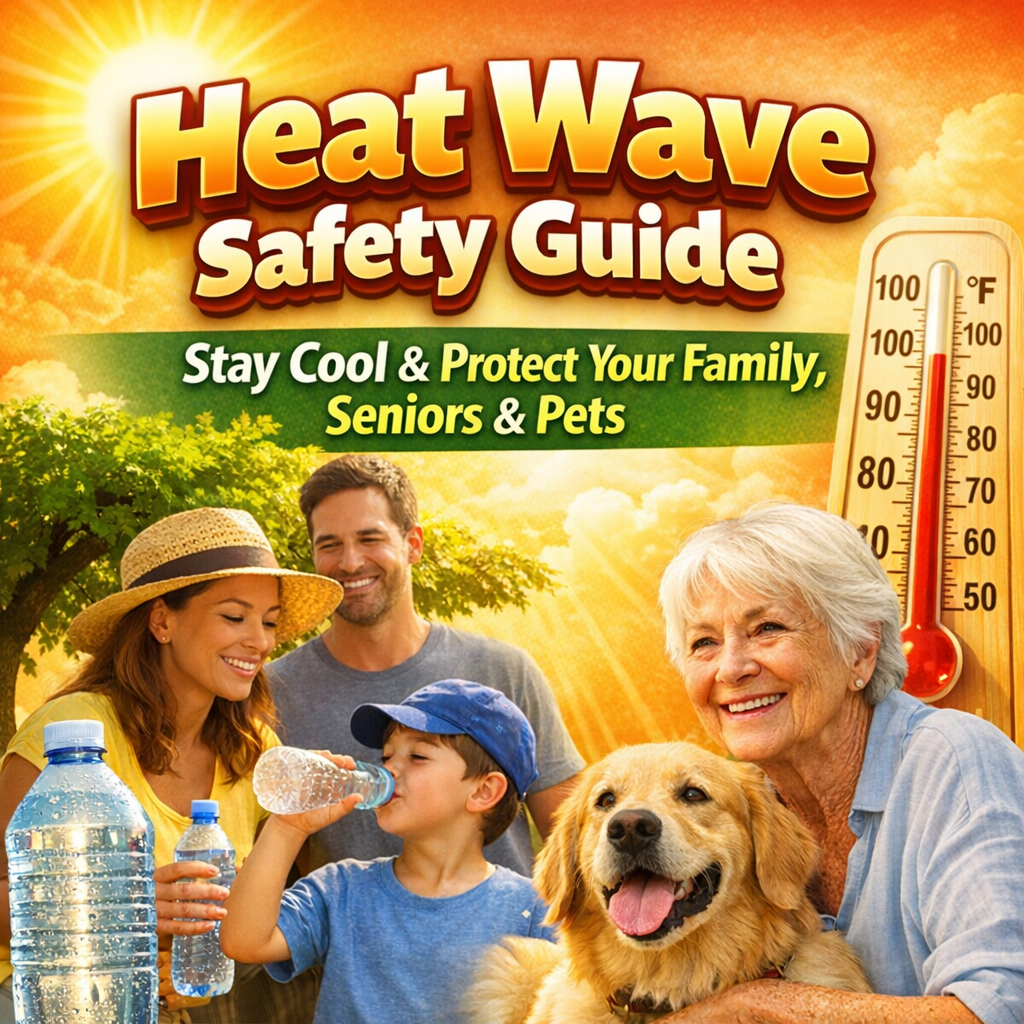
A heat wave isn’t just about high temperatures. It’s when the heat sticks around for days, often mixed with humidity, making it harder for your body to cool itself. That’s when things can turn serious fast.
According to the Centers for Disease Control and Prevention, heat-related illnesses can escalate quickly—especially for children, older adults, and pets. What starts as discomfort can turn into exhaustion or even heat stroke if it’s ignored.
And here’s the part most people underestimate:
You don’t have to be outside long for it to become dangerous.
The Signs Your Body Is Struggling With the Heat
Before we even talk about staying cool, you need to know what your body is trying to tell you.
At first, the symptoms can feel small—maybe a headache, a little dizziness, or just feeling unusually tired. It’s easy to brush it off. But those are early warning signs.
As your body heats up, things can escalate. Confusion, nausea, a rapid heartbeat, or even the absence of sweat in extreme heat are serious red flags.
If it reaches that point, you’re no longer just “overheated”—you’re in dangerous territory and need immediate help.
Heat Wave Safety Starts With Proper Hydration
Let’s be honest—most people only drink water when they feel thirsty.
During a heat wave, that’s a mistake.
By the time your body signals thirst, you’re already behind. During extreme heat, heat wave safety depends heavily on staying properly hydrated throughout the day.
. That means drinking consistently throughout the day, even if you’re just sitting indoors.
If you’re sweating or spending time outside, your body is losing more than just water. Electrolytes matter too, and replacing them can make a noticeable difference in how you feel.
And here’s something people don’t always think about—coffee, soda, and alcohol can actually work against you in extreme heat. They don’t hydrate the way your body needs when temperatures are high.
Keeping Your Home Cool (Even If You Don’t Have AC)
Not everyone has air conditioning—and during a heat wave, that’s where things can become especially challenging.
The goal is to keep heat out before it builds up inside.
Keeping blinds and curtains closed during the hottest parts of the day can make a bigger difference than you might expect. Using fans isn’t just about turning them on—it’s about creating airflow, pulling cooler air in and pushing hot air out.
Small changes, like avoiding the oven during the day or using a cool, damp cloth on your neck, can help your body regulate temperature more effectively.
It’s not about one big solution—it’s about stacking small ones that work together.
Timing Matters More Than You Think
One of the simplest ways to stay safe during a heat wave is also one of the most overlooked—timing your day differently.
The hours between late morning and mid-afternoon are usually the most intense. That’s when the sun is strongest and the risk is highest.
If you need to be outside, early morning or later in the evening is your safest window. Even shifting your routine by a few hours can dramatically reduce your exposure.
Why Seniors Are at Higher Risk (And What to Watch For)
Heat doesn’t affect everyone the same way.
Older adults are more vulnerable because their bodies don’t adjust to temperature changes as quickly. On top of that, many may not feel thirsty as often, which leads to dehydration without even realizing it.
If you have a parent, neighbor, or loved one who is older, checking in on them during a heat wave isn’t just thoughtful—it’s important.
Make sure they’re drinking enough water, staying in a cool environment, and not overexerting themselves. Sometimes, a simple check-in can prevent a serious situation.
Heat Wave Safety for Pets
This is the part that gets overlooked far too often.
Staying consistent with heat wave safety habits throughout the day can make the difference between feeling uncomfortable and putting your health at risk.
Pets don’t sweat like we do. They rely mostly on panting to cool down, which isn’t always enough in extreme heat.
That means conditions that feel “manageable” to you could be dangerous for them.
Keeping pets indoors during peak heat, making sure they always have fresh, cool water, and avoiding hot pavement can make a huge difference.
And let’s be very clear about one thing—leaving a pet in a parked car, even for a few minutes, can become deadly much faster than most people realize.
Children and Heat: What Parents Need to Know
Kids are more sensitive to heat, and the tricky part is—they don’t always recognize when something is wrong.
They’ll keep playing, running, and pushing themselves long after they should have taken a break.
That’s why it’s important to step in before they reach that point. Keep them hydrated, dress them in light clothing, and make sure they’re getting frequent breaks in the shade or indoors.
Sometimes, preventing a problem is as simple as slowing things down.
If You Have to Be Outdoors, Do This
Sometimes staying inside just isn’t an option.
If you have to be outside—whether it’s for work, errands, or travel—the key is to reduce how much heat your body absorbs.
That means taking breaks in shaded areas, drinking water more often than you think you need, and protecting yourself with lightweight clothing and sun protection.
Knowing where you can cool off ahead of time—whether it’s a store, a cooling center, or even your car with AC—can make a big difference.
For official guidance during extreme heat events, you can also check updates from the National Weather Service.
You may also want to read: How Long Food Lasts During a Power Outage https://everydayanswers.online/power-outage-food-safety/
For more heat safety tips, visit the Centers for Disease Control and Prevention website. cdc.gov
What People Are Asking During This Heat Wave
How hot is too hot to be outside?
Once temperatures climb into the 90s—especially with humidity—the risk increases quickly, particularly with prolonged exposure.
What’s the fastest way to cool down?
Move into shade or air conditioning, drink cool water, and apply something cold to your neck or wrists.
Can you get sick from heat even indoors?
Yes. Poor ventilation and lack of cooling can still lead to heat-related illness.
Practicing heat wave safety every day during extreme temperatures can help prevent serious illness and keep your entire household safe.
Taking heat wave safety seriously isn’t just about comfort—it’s about protecting your health and the people who depend on you.
Let’s Talk About It
Have you ever experienced a heat wave where it felt like too much to handle?
What’s one thing you do to stay cool that others might not know about?
Drop it below—your tip could help someone else get through this safely.
Final Thoughts
Heat waves aren’t just uncomfortable—they can become dangerous faster than most people expect.
The good news is, staying safe doesn’t require anything complicated. It’s about paying attention, making small adjustments, and looking out for the people—and pets—around you.
When you take heat seriously, you give yourself a much better chance of getting through it safely.