
The Robotic Pool Vacuums Recall 2026 has been announced by the U.S. Consumer Product Safety Commission (CPSC).
Wybotics robotic pool vacuums after reports that the lithium-ion batteries inside the units can overheat.
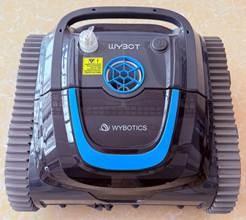
This creates both burn and fire hazards, especially since these vacuums are often left charging unattended or stored in areas like garages where other items are nearby.
What Product Is Being Recalled
This recall involves Wybotics cordless robotic pool vacuums used for residential pool cleaning. These units are designed to move along the bottom and sides of pools, collecting debris without needing a power cord during operation.
The affected models include:
- Wybot Osprey 200
- Wybot Osprey 300
- Wybot Osprey 700
These vacuums are powered by rechargeable lithium-ion batteries, which is where the issue has been identified.
The products were imported by Wybotics Co. Ltd., of China, and manufactured in China.
Recall Details You Should Know
The recall number for this Robotic Pool Vacuums Recall 2026 is 26-402.
Approximately 21,000 units are included in this recall.
These robotic pool vacuums were sold online, including on Amazon and other websites, from May 2023 through November 2025.
The units were sold for between $300 and $600, depending on the model.
What Has Been Reported
There have been 33 reports of the vacuums overheating, including nine reports of fires.
Some of these incidents resulted in property damage, which shows that this is not just a minor issue — it has already caused real-world problems.
Understanding the Robotic Pool Vacuums Recall 2026
Lithium-ion batteries are commonly used in many household devices, but when they overheat, they can become unstable and dangerous.
In this case, the overheating can occur while the vacuum is charging or after use, which increases the risk because the unit may not be actively monitored.
Since these devices are often stored near other items, an overheating battery could lead to a fire that spreads beyond the product itself.
What You Should Do Right Now
If you own a Wybotics robotic pool vacuum, you should stop using it immediately.
Do not charge the unit or leave it plugged in.
Consumers are instructed to contact Wybotics to receive a free replacement battery.
Contact Information
Consumers can contact Wybotics directly for assistance with this recall:
- Email: support@wybotics.com
- Website: www.wybotics.com
The company will provide instructions on how to safely replace the battery and resolve the issue.
You can find more safety updates in our Consumer Safety Alerts section. https://everydayanswers.online/?p=1268
For full recall details and official documentation, you can review the notice here:
https://www.cpsc.gov/Recalls/2026/Wybotics-Recalls-Robotic-Pool-Vacuums-Due-to-Burn-and-Fire-Hazards
Take a Quick Look at Your Pool Equipment
Pool equipment is easy to overlook, especially if it’s working fine.
But devices like robotic vacuums are often:
- Left charging overnight
- Stored in garages or sheds
- Used without much supervision
If you have one of these units, take a few minutes today to check it. It’s a simple step that can help prevent a much bigger problem.
Why Battery Recalls Should Never Be Ignored
The Robotic Pool Vacuums Recall 2026 highlights a growing concern with battery-powered devices used in everyday life. Products that rely on lithium-ion batteries are convenient, but when something goes wrong internally, the risks can increase quickly.
In this case, the Robotic Pool Vacuums Recall 2026 involves overheating batteries that have already caused incidents, including fires and property damage. That’s why recalls like this are taken seriously and should not be ignored.
If you own a robotic pool cleaner, especially one that operates without cords, it’s important to stay aware of recalls like the Robotic Pool Vacuums Recall 2026 and act quickly when they are announced.
Final Thoughts
The Robotic Pool Vacuums Recall 2026 is a strong reminder that even everyday convenience devices can pose risks when something goes wrong internally.
Taking action now — especially with battery-related recalls — is one of the easiest ways to protect your home and avoid potential damage.