
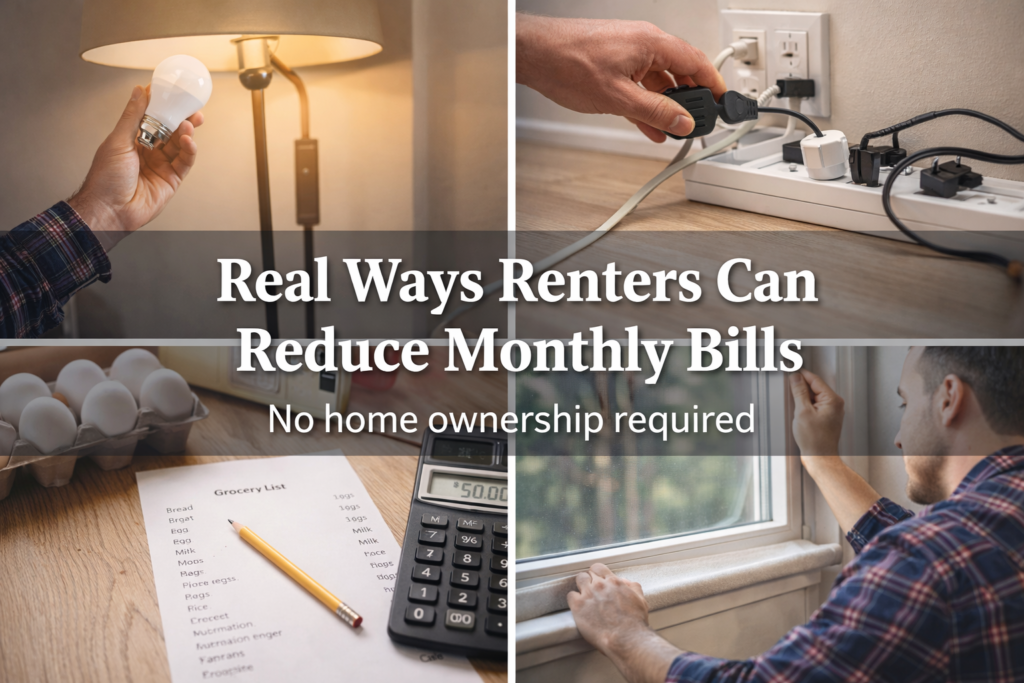
When you rent, advice about lowering household costs can feel frustrating. Many tips are designed for homeowners who can make permanent changes, upgrade systems, or invest in long-term improvements. Renters often don’t have that flexibility — especially those living paycheck to paycheck.
The good news is that there are real ways renters can reduce monthly bills without owning a home, making renovations, or violating lease agreements. The key is focusing on habits, temporary solutions, and controllable expenses rather than structural upgrades.
This guide is written specifically for renters who want practical, realistic ways to lower monthly costs using what they already have.
Why Renters Face Unique Financial Challenges
Renters often pay for utilities, internet, groceries, and transportation without having control over insulation, appliances, or building efficiency. Many rental units are older and less energy-efficient, which can drive up bills.
On top of that, renters may:
- Have limited storage
- Share utilities
- Be restricted from making changes
- Face rising rent costs
- Live with inconsistent income
That makes it even more important to focus on what is within reach.
Lower Electric Bills Without Modifying the Unit
Electricity is one of the biggest monthly expenses renters can influence.
Renter-friendly strategies include:
- Switching all bulbs to LED (removable and reusable)
- Unplugging electronics when not in use
- Using power strips to stop standby power drain
- Keeping lights off in unused rooms
- Using natural light during the day
Small changes in daily usage can noticeably reduce electric bills over time.
A Seasonal Maintenance Checklist Renters Can Share With Property Managers
Renters often notice small issues long before they become expensive repairs. Having a simple seasonal checklist makes it easier to communicate concerns to a landlord or management company in a clear, helpful way.
This checklist isn’t about demanding upgrades — it’s about preventing damage, improving efficiency, and saving everyone time and money.
Seasonal items renters can watch for include:
- Drafty windows or doors before colder months
- Loose weatherstripping or damaged seals
- Water leaks under sinks or near appliances
- Slow drains or signs of plumbing backups
- Heating or cooling systems that struggle to maintain temperature
- Mold, moisture, or ventilation issues in bathrooms
- Exterior damage that could worsen with weather changes
By reporting these issues early, renters help prevent:
- Higher utility bills
- Property damage
- Emergency repairs
- Inconvenience during extreme weather
Providing a simple checklist allows property managers to address problems proactively rather than reactively.
We’ll be sharing a renter-friendly seasonal checklist you can use and reuse to communicate maintenance needs clearly and professionally.
Reduce Heating and Cooling Costs as a Renter
You may not control the HVAC system, but you can still reduce energy loss.
Try:
- Using draft blockers under doors
- Sealing windows with removable weather film
- Closing blinds or curtains to regulate temperature
- Dressing for the season instead of adjusting the thermostat
- Using fans strategically instead of lowering temperatures
These methods don’t require tools or permission and can be undone easily when you move.
Cut Water Bills Without Changing Fixtures
Many renters pay for water or shared utilities.
You can reduce usage by:
- Taking shorter showers
- Turning off water while washing dishes or brushing teeth
- Running only full laundry loads
- Air-drying clothes when possible
- Reporting leaks promptly to landlords
Even when water is included in rent, reducing usage lowers energy costs tied to heating water.
Control Grocery and Food Costs
Food is one of the most flexible areas for savings.
Helpful renter strategies:
- Planning meals before shopping
- Buying store brands
- Cooking at home instead of ordering out
- Freezing leftovers
- Tracking which foods go to waste
Small food adjustments often create the fastest savings for renters living paycheck to paycheck.
Lower Internet, Phone, and Subscription Costs
Many renters overlook recurring digital expenses.
Ways to reduce them:
- Negotiating internet bills yearly
- Removing unused subscriptions
- Switching to lower-cost phone plans
- Using free streaming options
- Sharing services where allowed
These changes don’t affect housing agreements and can free up cash immediately.
According to the Federal Trade Commission, renters should regularly review bills, subscriptions, and consumer accounts to avoid unnecessary charges and potential scams.https://consumer.ftc.gov
Laundry and Cleaning Cost Savings
Laundry and cleaning expenses add up quickly.
Try:
- Washing clothes in cold water
- Using less detergent than recommended
- Air-drying when possible
- Making simple cleaning solutions at home
- Cleaning regularly to avoid replacements
Reducing wear extends the life of clothes and household items.
Transportation and Commute Adjustments
For renters, transportation costs often rival rent increases.
Consider:
- Combining errands into one trip
- Using public transportation when available
- Walking short distances
- Maintaining vehicles properly
- Comparing insurance rates annually
Even small mileage reductions can save fuel and maintenance costs.
When These Strategies Matter Most
Ways renters can reduce monthly bills matter most during times of rising costs, reduced work hours, or unexpected expenses. They’re also critical during lease renewals when rent increases strain already tight budgets.
Focusing on renter-friendly strategies helps create breathing room without relying on home ownership or large investments.
Final Thought
Renting doesn’t mean being stuck with high monthly expenses. Real ways renters can reduce monthly bills focus on control, awareness, and small changes that add up over time.
By concentrating on what’s allowed and manageable, renters can lower costs, reduce stress, and regain a sense of financial control — even without owning a home.
If you own your home or are responsible for long-term upgrades, you may also want to check the homeowner’s guide on simple DIY projects that reduce monthly bills. /simple-diy-projects-that-reduce-monthly-bills/