
Many Americans are asking how to prepare for war in the United States as global tensions increase and uncertainty grows. Understanding how to prepare for war in the United States is becoming an important topic for many families as global tensions and security concerns continue to rise.
Are we prepared if a major emergency happens? While the United States is geographically protected and has strong national defense systems, preparing for emergencies is always a smart step for families and communities.
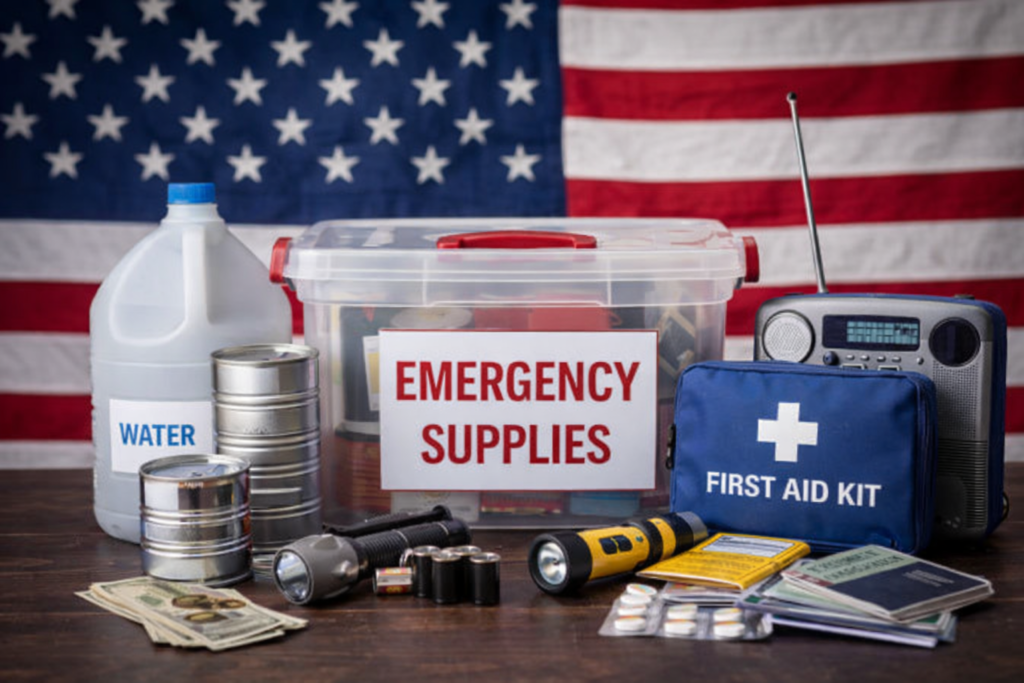
Learning how to prepare for war or national emergencies in the United States does not mean expecting the worst. Instead, it means being ready for situations such as natural disasters, power outages, supply disruptions, or national emergencies that could temporarily affect daily life.
Preparedness helps reduce stress, protects your family, and ensures you have the essentials needed if normal services are interrupted.
How to Prepare for War in the United States: Essential Steps
Many families are now researching how to prepare for war in the United States as global tensions increase.
Emergency preparedness is not about fear or extreme survival planning. It simply means having a basic plan and essential supplies in case something unexpected happens.
Government agencies like the Federal Emergency Management Agency (FEMA) recommend that every household have a basic emergency plan and supplies ready.
Preparedness can help families handle events such as:
- Natural disasters
- Power grid outages
- Severe storms
- Supply chain disruptions
- National emergencies
Taking simple steps now can make a major difference during a crisis.
Essential Emergency Supplies Every Household Should Have
One of the most important steps in preparing for emergencies is building a basic emergency supply kit.
Experts recommend keeping enough supplies to last at least 72 hours.
Basic Emergency Kit Items
Water
- At least one gallon per person per day
- Minimum 3-day supply
Non-Perishable Food
- canned foods
- protein bars
- dried foods
- ready-to-eat meals
First Aid Kit
- bandages
- antiseptic wipes
- pain relievers
- prescription medications
Flashlights and Batteries
Power outages are common during emergencies.
Battery-Powered Radio
Allows you to receive emergency alerts if internet service is unavailable.
Phone Chargers or Power Banks
Important Documents
Keep copies of identification, insurance, and medical information in a waterproof container.
Create a Family Emergency Plan
Understanding how to prepare for war in the United States helps families stay calm and organized during emergencies.
Having supplies is important, but families should also discuss what to do during emergencies.
A basic emergency plan should include:
Communication Plan
Decide how family members will contact each other if phone service is limited.
Meeting Location
Choose a safe meeting location if family members are separated.
Emergency Contacts
Keep a list of emergency contacts including relatives and local authorities.
Evacuation Plan
Know the evacuation routes in your area and where you would go if you needed to leave quickly.
Stay Informed During Emergencies
Reliable information is critical during any national emergency.
Americans should follow updates from trusted sources such as:
- Federal Emergency Management Agency (FEMA)
- Department of Homeland Security
- National Weather Service
- Local government emergency management offices
Avoid relying on rumors or unverified information on social media during crisis situations.
You can see more FEMA emergency preparedness guidelines: https://www.ready.gov/kit
Financial Preparedness
Unexpected emergencies can sometimes disrupt access to banks or electronic payment systems.
Experts recommend keeping a small emergency cash reserve at home for situations where electronic payments are unavailable.
It is also helpful to:
- maintain an emergency savings fund
- keep copies of insurance policies
- store important financial documents safely
Financial preparedness can help families remain stable if normal services are temporarily disrupted.
Home Safety and Preparedness
Simple home preparations can improve safety during emergencies.
Examples include:
- keeping fire extinguishers accessible
- installing smoke detectors
- maintaining backup batteries
- having extra blankets and warm clothing
- stocking basic household supplies
These small steps provide additional protection during emergencies.
Why Emergency Preparedness Matters
Preparing for emergencies does not mean expecting conflict or disaster. Instead, it is about being responsible and ready for unexpected situations.
Prepared households experience:
- less panic during emergencies
- better safety outcomes
- improved communication among family members
- faster recovery after disruptions
Preparedness allows families to focus on safety rather than scrambling to find essential supplies.
Free Emergency Preparedness Checklist
To help families stay prepared, we created a free printable Emergency Preparedness Checklist you can keep at home or store in your emergency kit.
Download the checklist here:
Emergency Preparedness Checklist for U.S. Families (Free PDF) https://everydayanswers.online/wp-content/uploads/2026/03/Emergency-Preparedness-Checklist-for-U.S.-Families-1-1.pdf
Final Thoughts
Understanding how to prepare for war or national emergencies in the United States is really about being ready for any unexpected situation.
By maintaining basic supplies, creating a family plan, and staying informed, Americans can protect themselves and their loved ones during emergencies.
Preparedness is a practical step that provides peace of mind and helps communities stay resilient during uncertain times.
You can also visit our Consumer Alerts & Safety Updates page to stay informed about important safety warnings and product recalls. https://everydayanswers.online/consumer-alerts
Frequently Asked Questions
Should Americans prepare for war?
Emergency preparedness is recommended for many situations, including natural disasters, severe weather, or temporary service disruptions. Having basic supplies and a plan helps families stay safe during unexpected events.
How much emergency food should families store?
Experts generally recommend storing at least three days of food and water for each household member.
What government agency handles emergency preparedness?
The Federal Emergency Management Agency (FEMA) provides preparedness guidelines and resources for families and communities.
Is emergency preparedness expensive?
Not necessarily. Many preparedness steps involve simple actions such as storing extra food, keeping water supplies, and creating a communication plan.