
Carry on rules 2026 have changed, and travelers need to understand what’s allowed, what’s restricted, and what could lead to serious airline consequences.
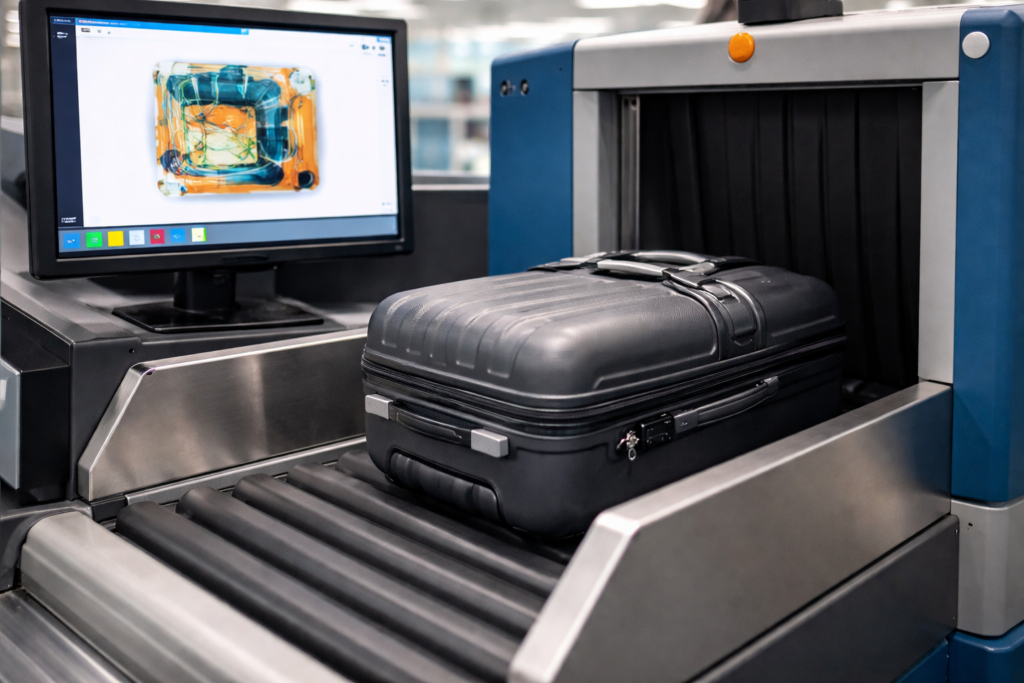
2026 Airline Carry-On Rules: What You Can Bring, What’s Restricted, and What Could Get You Removed From a Flight
Air travel has changed significantly over the last two years, and many travelers don’t realize that carry-on rules were tightened in 2025 and are being enforced even more strictly in 2026. Items that were once overlooked or loosely regulated are now being flagged, restricted, or—in some cases—linked to removal from flights when passengers refuse to comply with safety instructions.
This guide breaks down what has changed, what you can still bring, what is now restricted, and what behaviors or items could result in serious consequences while flying. If you’re planning to travel in 2026, this is the information you need before packing your carry-on.
Important: This is Part 1 of a two-part travel safety series.
Part 2 will cover the best airline-approved carry-on luggage and travel bags for 2026, including what features to look for—and what to avoid when buying new luggage.
Carry On Rules 2026: What Has Changed for Airline Travelers
While many travelers assume all rules come from airport screening agencies, the reality is more complex. Airlines now enforce stricter onboard safety policies, especially related to fire risks, battery incidents, and passenger compliance.
Understanding carry on rules 2026 ahead of time can help travelers avoid delays, confiscation, or uncomfortable situations at the gate or onboard.
Key factors behind the changes include:
- Increased lithium battery overheating and fire incidents
- More electronic devices being carried onboard
- Safety concerns related to power banks and smart luggage
- A rise in non-compliant passenger behavior
- Airlines issuing their own bans and enforcement policies, separate from screening rules
This means something may pass security screening but still be prohibited—or restricted—once onboard.
Carry-On Items That Are Now More Strictly Restricted
Lithium Batteries & Power Banks
Lithium batteries are one of the biggest focus areas in 2025–2026.
What travelers often miss:
- Loose lithium batteries must be protected (no exposed terminals)
- Power banks must stay in carry-on bags only
- Some airlines enforce watt-hour limits more strictly
- Damaged, swollen, or unmarked batteries may be confiscated
Several airlines now require crew approval if a power bank overheats or falls into a seat area—and refusal to comply can escalate quickly.
Smart Luggage
Smart luggage is still allowed only if the battery is removable.
Now enforced more consistently:
- Non-removable batteries = not allowed
- Battery must be removed before boarding if requested
- Airlines may refuse the bag even if it passed screening
Aerosols, Tools, and “Dual-Use” Items
Even travel-size items can raise issues depending on the airline:
- Certain aerosols are limited or banned onboard
- Tools that resemble weapons may be confiscated
- Self-defense items disguised as everyday objects are increasingly flagged
Items That Are Still Allowed—But With Conditions
Many everyday items are permitted, but only when packed and handled correctly.
These include:
- Prescription and over-the-counter medications (original labels recommended)
- Medical devices (may require additional screening)
- Baby formula and medically necessary liquids
- Lighters (single disposable, airline-dependent)
- Electronic devices such as laptops and tablets
The key takeaway: airline crew instructions override personal judgment once onboard.
2026: What Can Get You Removed or Banned From a Flight
This is where many travelers are caught off guard.
Airlines are now enforcing zero-tolerance policies for certain behaviors and safety violations. Removal from a flight—or future bans—can occur for:
- Refusing to power down or stow electronic devices when instructed
- Using or charging restricted devices onboard
- Vaping or smoking of any kind on the aircraft
- Tampering with smoke detectors or safety equipment
- Carrying undeclared hazardous items
- Aggressive or non-compliant behavior during inspections
In some cases, airlines issue temporary or permanent bans, even without criminal charges.
TSA Rules vs Airline Rules: Why This Matters
One of the biggest misconceptions travelers have is believing that passing airport screening means an item is fully approved.
For more information on TSA rules: https://www.tsa.gov/precheck?utm_source=bing&utm_medium=cpc&utm_adgroup=TSA%20PreCheck%20-%20Phrase&utm_campaign=TSA%20PreCheck%20Brand%20Only&utm_term=TSA%20PreCheck&utm_content=TSA%20PreCheck%20-%20Phrase
In reality:
- Screening agencies focus on checkpoint safety
- Airlines focus on in-flight safety
- Airlines can enforce stricter rules than screening agencies
- International flights may have additional restrictions
Always check your airline’s specific carry-on policy before flying—especially for batteries, electronics, and specialty luggage.
Travelers should always review official airline and airport safety guidance before flying, including information provided by the TSA and individual airlines.
Travel Safety Reminder
Be vigilant with your belongings at all times. Never leave your luggage or carry-on unattended or with a stranger. You are fully responsible for your items throughout your journey.
Common Carry-On Packing Mistakes to Avoid
- Packing loose batteries without protective covers
- Carrying oversized power banks without checking limits
- Using smart luggage with sealed batteries
- Overpacking electronics in hard-to-access areas
- Assuming “it was allowed last time” still applies
These mistakes can lead to delays, confiscation, or flight issues.
A Smarter Way to Pack for 2026 Travel
Before you travel:
- Review your airline’s carry-on and battery policies
- Keep electronics accessible for inspection
- Label and protect all batteries
- Remove questionable items before leaving home
- Follow crew instructions immediately if concerns arise
Coming Up Next: Part 2 – Best Airline-Approved Carry-On Luggage for 2026
In Part 2, we’ll break down:
- The best TSA-compliant and airline-approved carry-on luggage
- What luggage features are now required or recommended
- Which bags to avoid in 2026
- Packing-friendly designs that reduce inspections and delays
Part 1 of our 2026 Travel Safety Series
Part 2: Best Airline-Approved Carry-On Luggage for 2026: https://everydayanswers.online/best-carry-on-luggage-2026/