
Planning outdoor trips has become more challenging as weather patterns grow increasingly unpredictable. Sudden storms, extreme temperature shifts, and unexpected travel advisories can turn a well-planned outing into a stressful situation if preparations fall short.
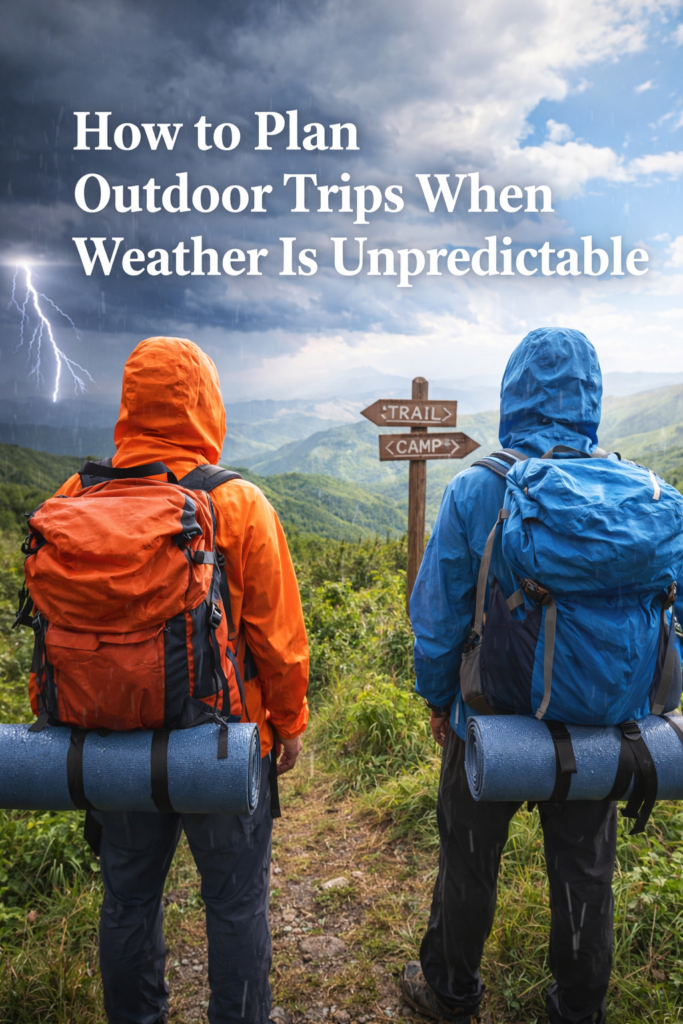
Learning how to plan outdoor trips when weather is unpredictable allows families and individuals to enjoy recreation safely while reducing last-minute cancellations, wasted expenses, and unnecessary risks. With the right approach, outdoor plans can remain flexible without sacrificing enjoyment.
This guide breaks down practical steps to help you prepare smarter, adapt quickly, and stay safe when conditions change.
Why Weather Uncertainty Requires a Different Planning Approach
In the past, checking the forecast a few days ahead was often enough. Today, weather can shift within hours, making rigid plans risky.
Learning how to plan outdoor trips when weather is unpredictable helps travelers stay prepared for sudden weather changes while still enjoying their adventures.
Unpredictable weather can lead to:
- Dangerous conditions on trails or campsites
- Road closures or travel delays
- Gear failures due to temperature changes
- Increased risk of dehydration or hypothermia
Planning with flexibility in mind helps avoid these issues while keeping outdoor activities enjoyable.
Start With Flexible Destinations and Activities
When weather is uncertain, choose destinations that offer multiple activity options.
For example:
- Parks with both open and sheltered areas
- Trails with short loops instead of long point-to-point hikes
- Campgrounds near nearby indoor attractions
Flexibility allows plans to shift without abandoning the entire trip.
Check Weather Sources — Not Just One Forecast
Relying on a single weather app can be misleading. Conditions may vary significantly depending on location and elevation.
Before heading out:
- Check at least two weather sources
- Review hourly forecasts, not just daily summaries
- Watch for wind, heat indexes, and storm timing
- Look at radar updates the morning of the trip
Monitoring changes closer to departure helps avoid surprises.
Pack for Changing Conditions
Packing smart is one of the most important steps when planning outdoor trips during unpredictable weather.
Essential items include:
- Lightweight rain gear
- Extra layers for temperature drops
- Sun protection for sudden heat
- Water and electrolyte drinks
- Emergency snacks
- Flashlight or headlamp
- Phone charger or power bank
Being prepared for multiple scenarios prevents minor weather changes from becoming major problems.
Build Backup Plans Before You Leave
Backup plans should be decided before you arrive.
Examples:
- Alternative shorter routes
- Nearby indoor locations
- Safe exit points
- Earlier return times
When conditions worsen, having a backup option already planned reduces stress and rushed decisions.
Safety Checks Before Heading Out
When weather is unpredictable, safety checks matter more than schedules.
Before leaving:
- Tell someone your plan and return time
- Check park or trail alerts
- Verify road and access conditions
- Review emergency contact numbers
Small checks help prevent emergencies from escalating.
Know When to Postpone or Cancel
One of the hardest skills to learn is knowing when to walk away.
Postpone plans if:
- Severe storms are forecasted
- Visibility will be poor
- Temperatures are extreme
- Emergency services are limited
Rescheduling is safer than pushing forward in risky conditions.
When Planning for Unpredictable Weather Matters Most
Knowing how to plan outdoor trips when weather is unpredictable is especially important during seasonal transitions, such as spring and fall, when conditions change rapidly. It also matters in mountainous or coastal areas where weather shifts quickly and without warning.
This type of planning becomes essential during family trips, activities involving children or pets, or outings far from cell service. In these situations, preparation and flexibility help prevent small inconveniences from becoming safety concerns.
Outdoor recreation should be enjoyable, not stressful. Planning for uncertainty allows you to adapt without panic and return home safely.
You can also review our guide on travel advisory rankings for 2026 to stay informed about safety conditions when planning trips. https://everydayanswers.online/blog/
Final Thought
Outdoor trips don’t need to stop just because the weather is unpredictable. By choosing flexible plans, packing smart, monitoring conditions, and preparing backup options, outdoor recreation can remain safe and rewarding.
The goal is not to control the weather — it’s to plan wisely around it.
According to the National Weather Service: https://www.weather.gov/safety
Frequently Asked Questions About Planning Outdoor Trips in Unpredictable Weather
How can travelers prepare for sudden weather changes?
Travelers can prepare by checking weather forecasts regularly, packing flexible clothing layers, and creating backup indoor plans in case outdoor activities need to change.
What items should I pack when weather may change quickly?
It is helpful to pack rain gear, extra clothing layers, portable chargers, and emergency supplies when traveling in areas with unpredictable weather.
Should I cancel outdoor plans if the weather forecast is uncertain?
Not necessarily. Many outdoor trips can still be enjoyable with proper preparation and backup plans.
Why is checking multiple weather sources helpful?
Using several weather forecasts can help travelers better understand possible weather changes and avoid unexpected disruptions.
How Do You Handle Unpredictable Weather When Traveling?
Have you ever planned an outdoor trip only to have the weather suddenly change?
Share your tips in the comments. Your experience could help other travelers plan safer and more enjoyable trips.