
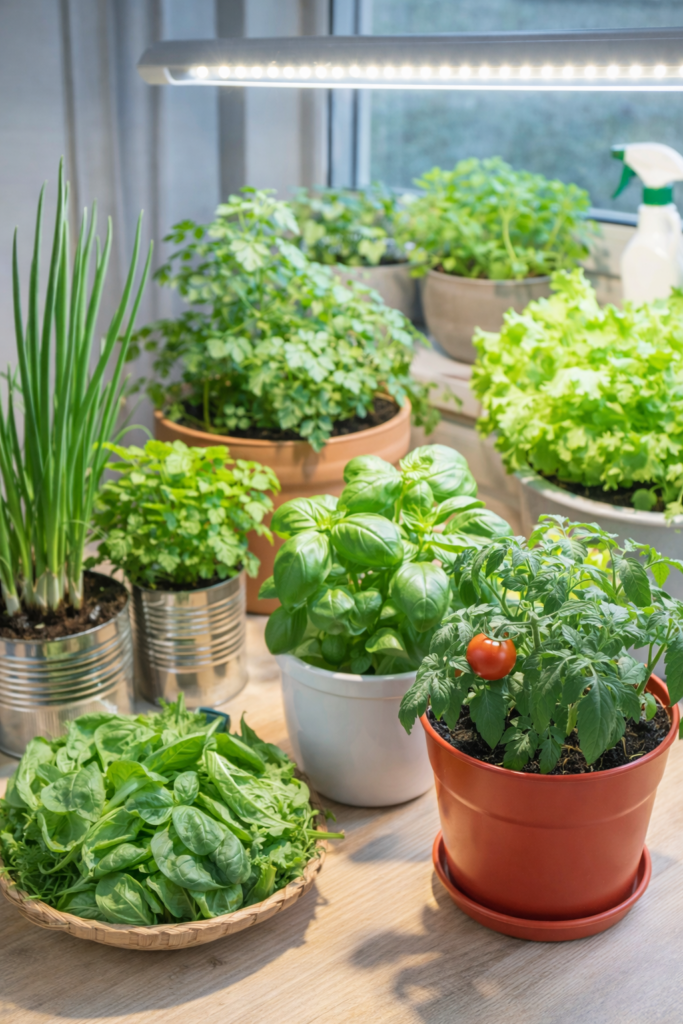
A small food backup using plants doesn’t require land, expensive equipment, or advanced gardening skills. Many people assume food self-sufficiency starts with a large backyard or raised beds, but even apartments, condos, and small homes can grow reliable food sources with the right approach.
With rising food prices, supply disruptions, and seasonal shortages becoming more common, building simple food backups is no longer just a hobby — it’s a practical way to support everyday meals and reduce dependence on store availability. Growing a few dependable plants allows households to supplement groceries, stretch budgets, and gain peace of mind.
This guide explains how to start a small food backup using plants that are easy to grow, low maintenance, and realistic for everyday living — even if space is limited.
Why Plant-Based Food Backups Matter Today
Food backups don’t have to mean shelves of canned goods or long-term storage systems. Living food sources provide ongoing value because they can be harvested repeatedly and replenished naturally.
A small food backup using plants helps:
- Reduce grocery spending over time
- Add fresh food during shortages or price spikes
- Provide backup ingredients when stores are low
- Increase food awareness and waste reduction
Plants also offer flexibility. They can be grown indoors, on balconies, windowsills, patios, or small outdoor spaces without major setup costs.
Best Plants for a Small Food Backup
The goal is not variety — it’s reliability. Focus on plants that grow quickly, tolerate mistakes, and provide repeat harvests.
High-Value Starter Plants
- Herbs: Basil, parsley, cilantro, chives, mint
- Leafy greens: Lettuce, spinach, arugula
- Green onions: Regrow easily from scraps
- Cherry tomatoes: Productive in containers
- Peppers: Compact and long-producing
These plants support daily cooking and can reduce the need to repurchase fresh produce weekly.
Indoor vs Container Growing Options
A small food backup using plants can work both indoors and outdoors, depending on your space.
Indoor Growing
Best for:
- Apartments
- Cold climates
- Year-round access
Use:
- Windowsills with good light
- Shelving with grow lights
- Countertop herb containers
Container Growing
Best for:
- Balconies or patios
- Small outdoor areas
- Seasonal growing
Use:
- Buckets
- Fabric grow bags
- Pots with drainage holes
Both methods can be combined to keep food growing consistently throughout the year.
Where to Place Plants for Best Results
Light is more important than space.
Plants generally need:
- 6–8 hours of light daily
- Good airflow
- Stable temperatures
If natural light is limited, inexpensive grow lights can replace sunlight and allow plants to thrive indoors.
Avoid placing food plants near:
- Drafty doors or vents
- Extreme heat sources
- Dark corners without light support
How to Care for Food Backup Plants Consistently
Consistency matters more than perfection.
Basic care includes:
- Watering when soil is dry, not on a fixed schedule
- Using simple potting soil, not garden dirt
- Harvesting regularly to encourage regrowth
- Checking leaves for pests or stress
Overwatering is the most common mistake. Most plants prefer slightly dry soil between watering.
How a Small Food Backup Reduces Grocery Stress
Even a few plants can reduce pressure during shortages or high prices.
For example:
- Herbs eliminate repeat purchases
- Greens supplement meals when produce prices spike
- Tomatoes and peppers stretch sauces and dishes
Over time, these small contributions add up and reduce reliance on last-minute shopping trips.
Common Beginner Mistakes to Avoid
Many people quit too soon because of avoidable errors.
Avoid:
- Starting too many plants at once
- Using containers without drainage
- Expecting immediate harvests
- Ignoring light requirements
- Overcomplicating setups
A small food backup using plants should feel manageable, not overwhelming.
You can also explore beginner gardening tips from the USDA home gardening resources to learn more about growing food at home. usda.gov
When a Small Food Backup Using Plants Matters Most
A small food backup using plants becomes especially valuable during periods of uncertainty. Seasonal shortages, rising food costs, and supply chain disruptions often appear with little warning, leaving households scrambling for essentials.
This type of backup also matters after power outages, severe weather events, or transportation disruptions that delay restocking. Even when stores remain open, prices and availability can change quickly.
Homes with limited mobility, tight budgets, or dietary needs benefit from having dependable food sources already growing. Plant-based backups are also useful during illness or busy periods when frequent grocery trips aren’t ideal.
By starting small and growing gradually, households can build resilience without pressure or panic. A few reliable plants can make a meaningful difference when access to food becomes unpredictable.
You can also read our guide on starting seeds indoors using household items to grow vegetables even if you have limited space. https://everydayanswers.online/start-seeds-indoors-using-household-items/
Final Thought
A small food backup using plants is not about survival — it’s about preparedness, flexibility, and confidence. Even a handful of plants can provide fresh food, reduce stress, and support daily meals when circumstances change.
Starting small allows anyone to participate, regardless of space or experience. Over time, these small steps create a dependable food safety net that grows alongside your needs.
Frequently Asked Questions About Creating a Small Food Backup Using Plants
What is a small food backup using plants?
A small food backup using plants refers to growing simple vegetables, herbs, or fruits at home to supplement your food supply during shortages or emergencies.
What plants are easiest for beginners to grow?
Some beginner-friendly plants include lettuce, tomatoes, green onions, herbs, and peppers. These plants grow quickly and can thrive in small containers.
Can I grow food without a backyard?
Yes. Many vegetables can grow in pots, containers, balconies, or even indoors with proper sunlight and care.
Why is growing your own food helpful during uncertain times?
Growing food at home can help reduce grocery expenses, provide fresh produce, and give households a backup food source if supply disruptions occur.
Are You Growing Any Food at Home?
Have you started growing vegetables or herbs as part of your household food backup?
Share your experience in the comments. Your ideas could help other readers begin their own small food supply.