
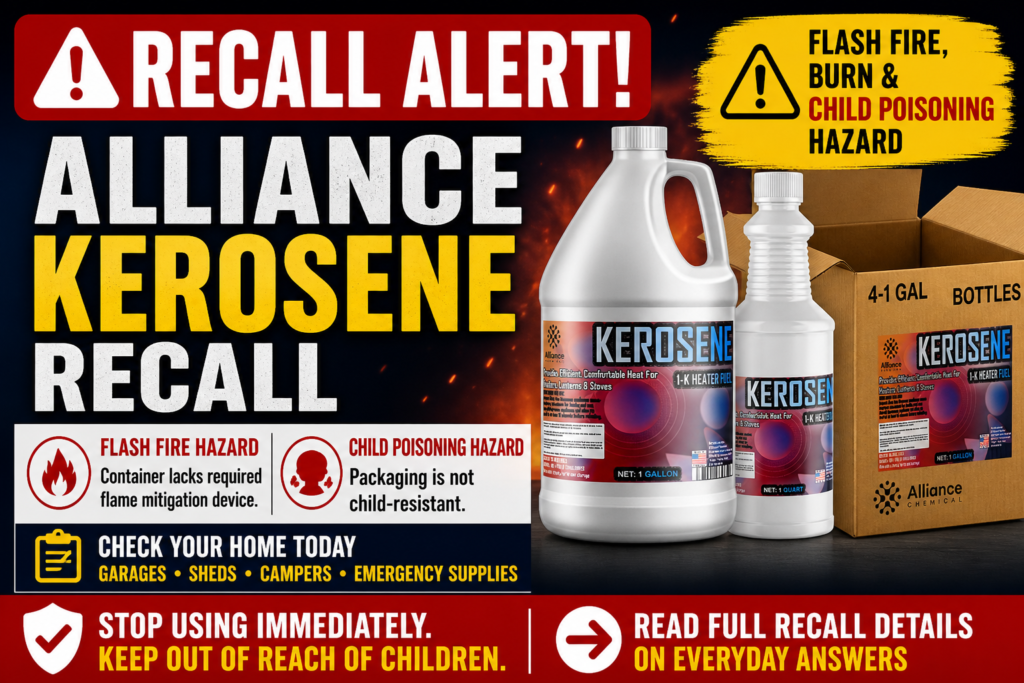
The Alliance Kerosene Recall is an important safety alert involving portable 1-K Kerosene Heater Fluid containers that may create serious fire and child poisoning hazards inside or around the home.
For many households, kerosene is stored for practical reasons.
Some people use it for indoor-safe heaters during winter storms, emergency backup heat, outdoor lanterns, camping equipment, workshops, or preparedness supplies for power outages.
That means these containers may be sitting in garages, sheds, basements, utility rooms, workshops, barns, or storage areas right now.
That is exactly why this recall deserves immediate attention.
According to safety officials, the recalled fuel containers fail to meet important federal portable fuel container safety standards designed to reduce flash fire dangers and improve child safety.
Alliance Kerosene Recall
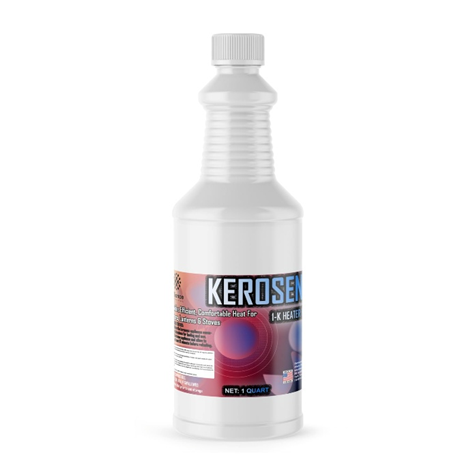
The Alliance Kerosene Recall involves:
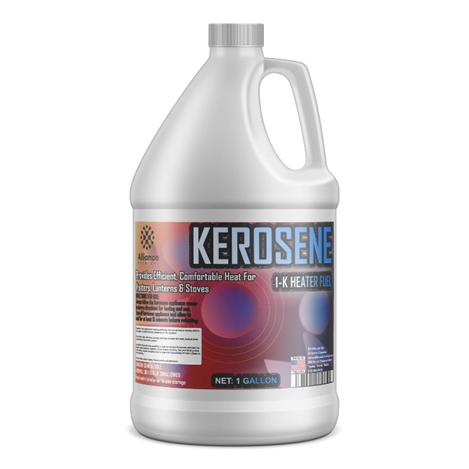
Alliance Chemical 1-K Kerosene Heater Fluid containers
Affected products include:
✔ 1-gallon containers
✔ 1-quart containers
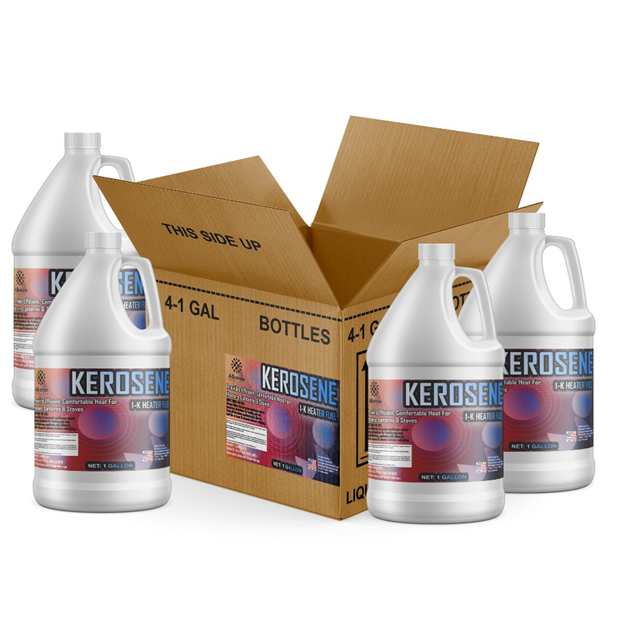
✔ multi-bottle cases sold online
The recalled products were sold through:
✔ Amazon.com
✔ AllianceChemical.com
Sales took place from January 2023 through March 2026, meaning many consumers may still have these containers in storage.
Why the Alliance Kerosene Recall Is Serious
This recall involves two major hazards.
Flash Fire Risk
The container lacks a required flame mitigation device.
That safety feature helps prevent flames from traveling back into fuel vapors inside the container.
Without it, fuel vapors can ignite rapidly.
That can cause:
flash fire,
burn injuries,
fire spread,
property damage,
or life-threatening injury.
A flash fire can happen in seconds.
Even a small ignition source—such as a pilot flame, spark, cigarette ember, static discharge, or nearby open flame—can trigger disaster.
Child Poisoning Risk
The recalled container also does not meet child-resistant packaging standards.
That means curious children may gain easier access to dangerous liquid fuel.
Accidental exposure may lead to:
poisoning,
chemical burns,
breathing hazards,
severe illness,
or death.
That makes storage safety critical.
What Consumers Should Do Right Now
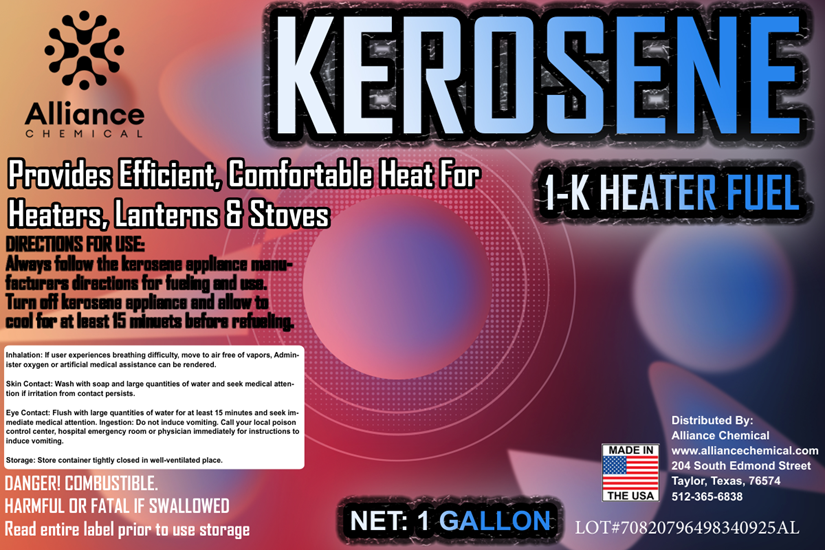
If you own this recalled kerosene:
Stop using it immediately.
Move it to a secure area away from:
children,
pets,
heat sources,
sparks,
open flames,
or smoking materials.
Check:
✔ garage shelves
✔ sheds
✔ barns
✔ workshops
✔ campers / RV supplies
✔ emergency fuel storage
✔ heater supply bins
Do not continue pouring or transferring fuel.
Do not donate recalled fuel containers.
Do not resell them.
Safe Disposal Matters
Consumers should never pour recalled kerosene onto the ground, into drains, or into household trash.
Fuel should be handled through local hazardous waste disposal guidelines.
Check county disposal programs or hazardous waste drop-off locations.
Safe disposal protects homes, groundwater, and communities.
Contact Information
Consumers should contact:
📞 512-365-6838
📧 sales@alliancechemical.com
Consumers may be asked to provide:
- dated photo
- product photo
- proof of purchase if available
After recall verification, consumers may receive a full refund.
Final Thoughts
The Alliance Kerosene Recall is a reminder that fuel storage safety matters as much as fuel use safety.
A container sitting quietly in a garage can still create serious danger.
Take a few minutes today to check your stored fuel containers.
One quick inspection could prevent fire, injury, or poisoning.
Consumers can also review our latest household safety and product recall alerts to stay informed about hidden hazards affecting products stored in garages, sheds, and homes.
Baby Lounger Recall 2026: Urgent Warning for CPZZKQ Loungers Sold on Amazon
For official recall instructions, refund details, and disposal guidance, review the full safety notice from the U.S. Consumer Product Safety Commission.
Garage & Shed Safety Check
Take a quick look:
Do you store:
- Heater fuel?
- Lantern fuel?
- camping fuel supplies?
- backup winter emergency fuel?
- chemicals in garage cabinets?
- containers in sheds or barns?
Check labels today.
Hidden hazards are often sitting quietly on a shelf.