
Why Preventing Electrical Shock Outdoors Is More Important Than You Think
Learning how to prevent electrical shock outdoor equipment is essential for staying safe while using tools like generators, pressure washers, and extension cords.
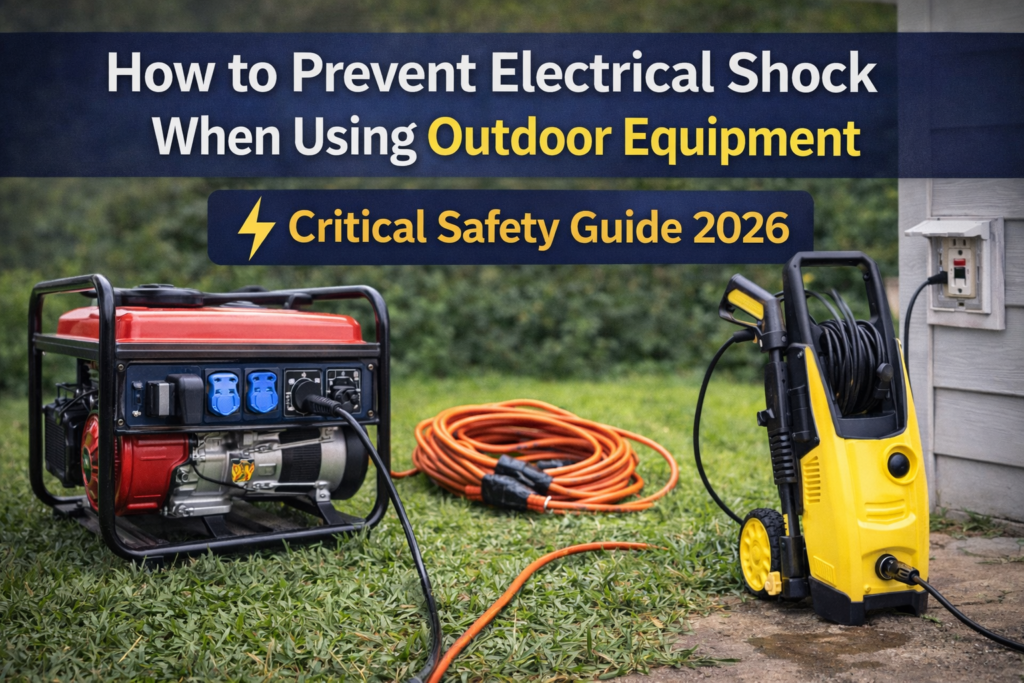
If you’ve been following recent safety alerts, you’ve probably noticed a pattern—more and more equipment is being recalled due to electrical hazards. From pressure washers to generators, many of these tools are used outside where water and electricity mix.
That combination is exactly why learning how to prevent electrical shock when using outdoor equipment is so important. It doesn’t take much for a small issue—like a damaged cord or missing safety feature—to turn into something serious.
And the truth is, most accidents don’t happen because people are careless. They happen because people simply don’t know what to look for.
Prevent Electrical Shock Outdoor Equipment Tips You Should Never Ignore
When you’re using outdoor equipment, electricity is already flowing through the machine. Add water, damp surfaces, or even humidity, and the risk increases fast.
Electrical shock can happen when:
- a tool is plugged into an unprotected outlet
- a cord is damaged or exposed
- water reaches electrical components
- safety features are missing or fail
This is exactly why many recent recalls—especially involving pressure washers—are tied to missing or faulty protection systems.
The One Safety Feature You Should Never Ignore (GFCI)
If there’s one thing you take from this guide, let it be this:
Always use equipment with GFCI protection
A Ground Fault Circuit Interrupter (GFCI) is designed to shut off power instantly if something goes wrong. That tiny interruption can be the difference between a minor issue and a serious injury.
You’ll usually find GFCI protection:
- built into the power cord (reset/test buttons)
- in outdoor outlets
- in extension cords designed for outdoor use
If your equipment doesn’t have this, you’re taking a risk—especially in wet conditions.
Understanding how to prevent electrical shock outdoor equipment situations can help reduce the risk of serious injury when working outside.
Water + Electricity: The Hidden Danger
Most outdoor equipment is used for cleaning, yard work, or emergencies—all of which involve water in some way.
Here’s where people get caught off guard:
- standing water around your feet
- wet grass or soil
- rain or morning dew
- water spray from hoses or pressure washers
Even a small amount of moisture can create a path for electricity.
That’s why one of the simplest ways to prevent electrical shock when using outdoor equipment is to stay aware of your environment.
Check Your Equipment Before Every Use
This step takes less than a minute—but it can prevent a serious accident.
Before you plug anything in, check:
- the power cord (no cracks, fraying, or cuts)
- the plug (no burn marks or loose prongs)
- connections (tight and secure)
- any signs of overheating
If something looks off, don’t use it. It’s not worth the risk.
This is especially important if you’ve recently purchased equipment or haven’t used it in a while.
Using damaged cords is one of the biggest reasons people fail to prevent electrical shock outdoor equipment accidents.
Why Taping Damaged Extension Cords Can Be Dangerous
One of the most common mistakes people make when trying to prevent electrical shock when using outdoor equipment is using damaged extension cords—and simply covering the problem with tape.
It might seem like a quick fix, but it can actually make the situation more dangerous.
When a cord is damaged, the protective outer layer is already compromised. Wrapping it with tape—especially regular household tape—does not restore the insulation or make it safe to use again.
In fact, it can hide the damage while the internal wires remain exposed.
Improper repairs and damaged cords make it harder to prevent electrical shock outdoor equipment risks in everyday situations.
What Can Go Wrong When You Tape a Cord
Many people don’t realize how serious this can become. A taped cord can still:
- allow electricity to leak through the damaged area
- overheat under normal use
- spark or arc when moved or bent
- create a fire hazard, especially outdoors
Even electrical tape, if not applied correctly or if the damage is severe, is not a reliable long-term solution.
The Right Way to Handle a Damaged Extension Cord
If you notice damage to an extension cord, the safest option is simple:
Replace it immediately
Extension cords are not designed to be permanently repaired. Once the insulation is compromised, the risk remains—even if it looks “covered.”
When using outdoor equipment:
- always use cords rated for outdoor use
- avoid cords with any visible wear or cracking
- never use a cord that has been patched or taped
Why This Matters More Outdoors
Outdoor environments make this issue even more dangerous.
You’re often dealing with:
- moisture or wet surfaces
- dirt and debris
- temperature changes
- movement and tension on cords
All of these increase the chance that a damaged, taped cord could fail unexpectedly.
This is another important step in learning how to prevent electrical shock when using outdoor equipment—because sometimes the biggest risks come from small shortcuts.
Warning Signs You Should Never Ignore
Sometimes equipment gives you a warning before something goes wrong.
Watch for:
- tingling feeling when touching the device
- unusual heat from the unit or cord
- flickering power or sudden shut-offs
- burning smell
If you notice any of these, unplug the equipment immediately and stop using it.
Generators and Power Equipment: Extra Caution Needed
Generators are another major source of risk, especially during power outages when people are stressed and trying to act quickly.
Many accidents happen because people don’t fully understand how to prevent electrical shock outdoor equipment hazards before using their tools.
To stay safe:
- always place generators outdoors (never inside or near windows)
- keep them dry and elevated
- avoid overloading outlets
- use heavy-duty outdoor extension cords
Generators are powerful machines, and while they’re helpful, they need to be handled with care.
Generators can be dangerous if you don’t take the proper steps to prevent electrical shock outdoor equipment risks.
Pressure Washers and Outdoor Tools
Pressure washers have been showing up in multiple recalls recently—and for good reason.
They combine:
- water
- electricity
- high pressure
To use them safely:
- always plug into a GFCI outlet
- keep connections dry
- never spray near electrical components
- inspect cords before each use
If you’ve seen recent recall alerts, this is exactly why understanding how to prevent electrical shock when using outdoor equipment matters.
Related Safety Alerts You Should Know
If you’re using outdoor equipment, it’s worth staying informed about recent safety issues.
You may want to review recent alerts involving:
- pressure washers with missing GFCI protection
- generators with fire or electrical risks
- outdoor tools with faulty wiring
Recent pressure washer recalls have shown just how important it is to understand proper usage and safety precautions before turning one on for the first time.
Pressure Washer Recall 2026: Urgent Shock and Electrocution Risk Could Be Deadly
If you rely on a generator during outages, it’s important to follow proper safety guidelines to avoid electrical hazards and serious injury.
Portable Generator Recall 2026: Critical Fire and Burn Hazard Warning for Generac Units
Taking a few extra minutes to check your equipment can prevent accidents that often happen when small warning signs are ignored.
For official safety recommendations on how to prevent electrical shock when using outdoor equipment, visit the U.S. Consumer Product Safety Commission (CPSC) website. https://www.cpsc.gov
What People Ask Most
Can I use outdoor equipment in light rain?
It’s not recommended. Even small amounts of moisture increase risk.
Do extension cords increase danger?
Yes—especially if they’re not rated for outdoor use.
Is GFCI really necessary?
Yes. It’s one of the most important safety features available.
What Should You Check Today?
How can I prevent electrical shock outdoor equipment accidents?
Using GFCI outlets, inspecting cords, and avoiding wet conditions are some of the most effective ways to stay safe.
Is it safe to use extension cords outdoors?
Only if they are rated for outdoor use and free from any damage.
What is the biggest risk when using outdoor electrical tools?
Water exposure combined with faulty or unprotected electrical connections.
Final Thoughts
Learning how to prevent electrical shock when using outdoor equipment isn’t complicated—but it does require awareness.
Most accidents happen when something small is overlooked. A damaged cord, a wet surface, or a missing safety feature can quickly turn into a dangerous situation.
Taking simple steps to prevent electrical shock outdoor equipment issues can protect you and your family from serious harm.
The good news is that with a few simple habits, you can significantly reduce your risk and use your equipment with confidence.